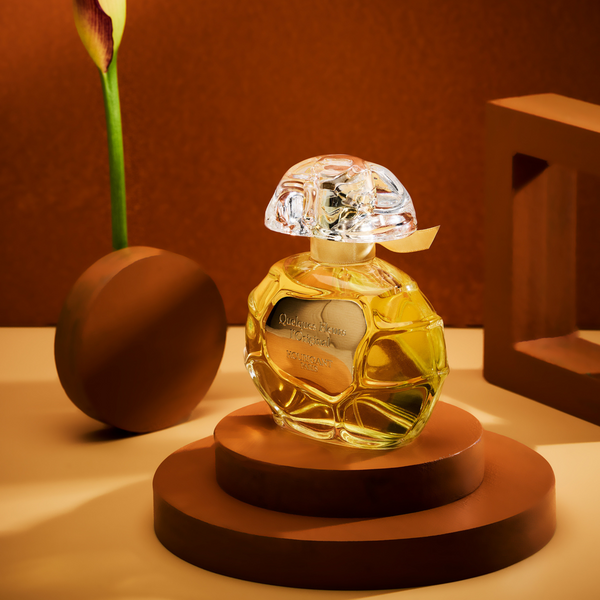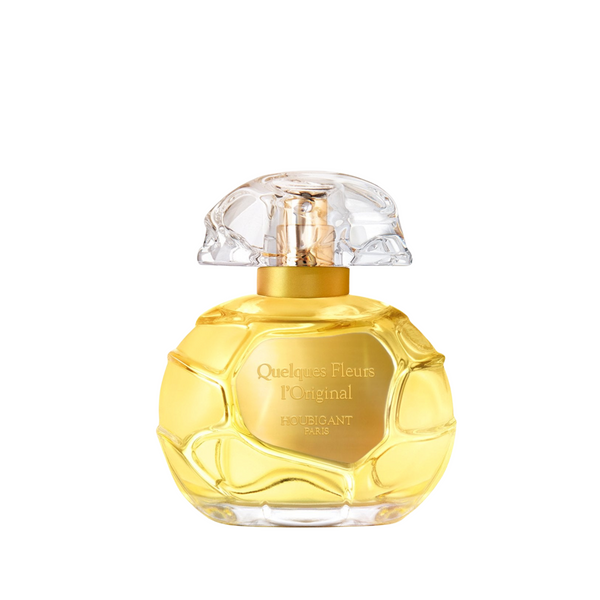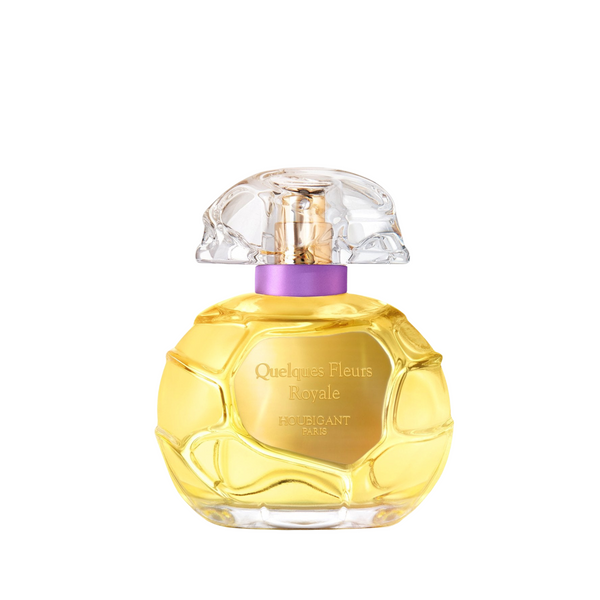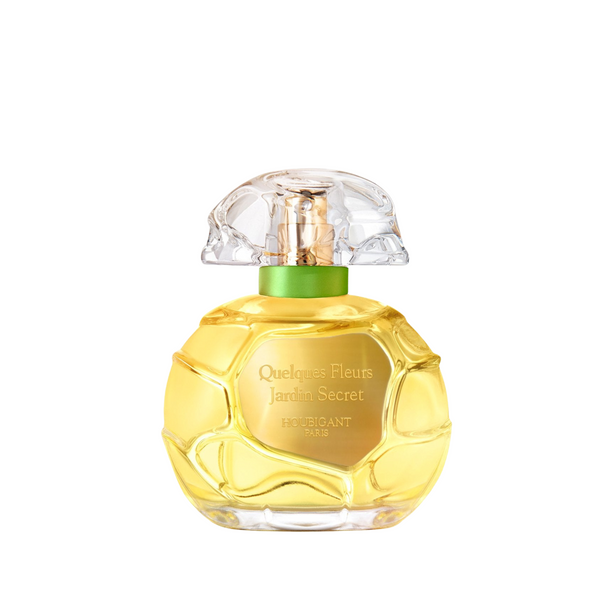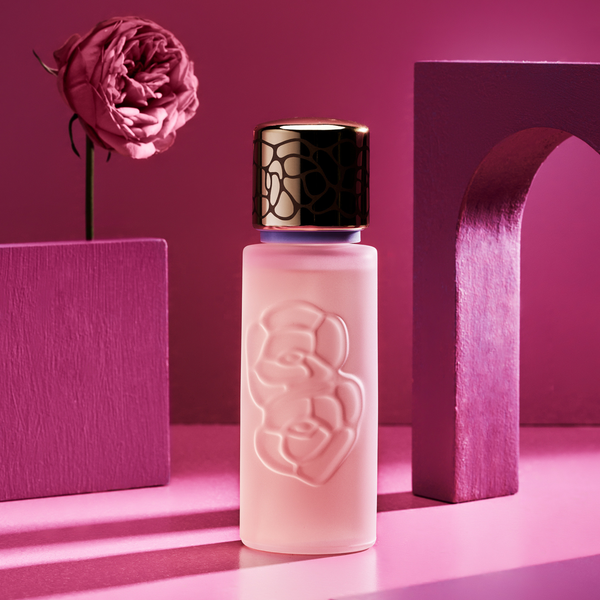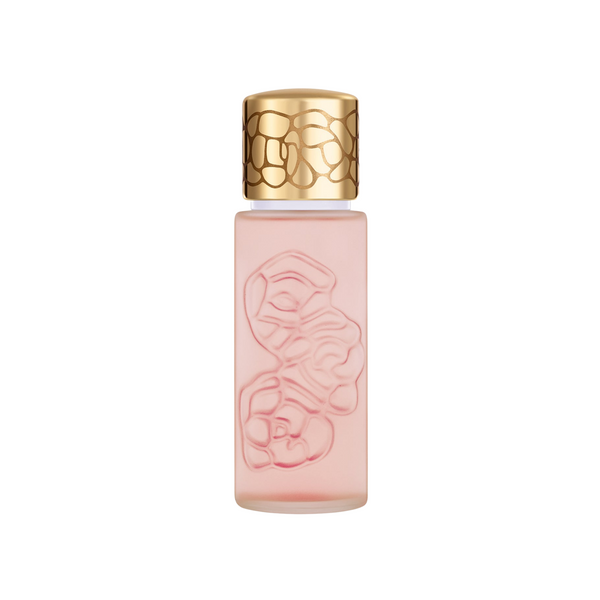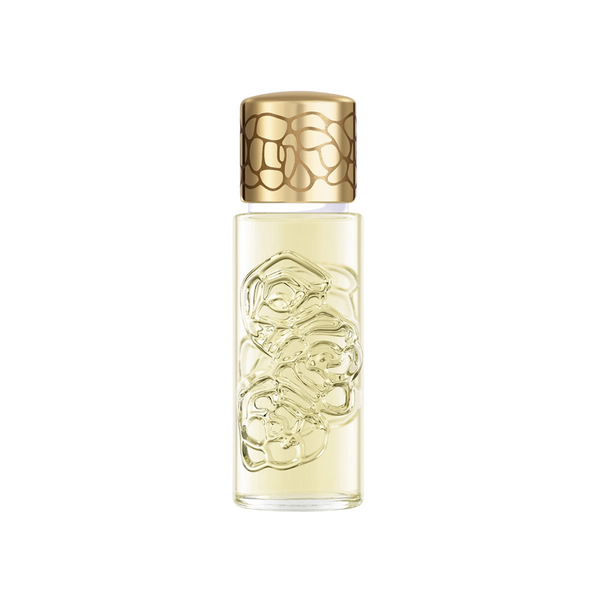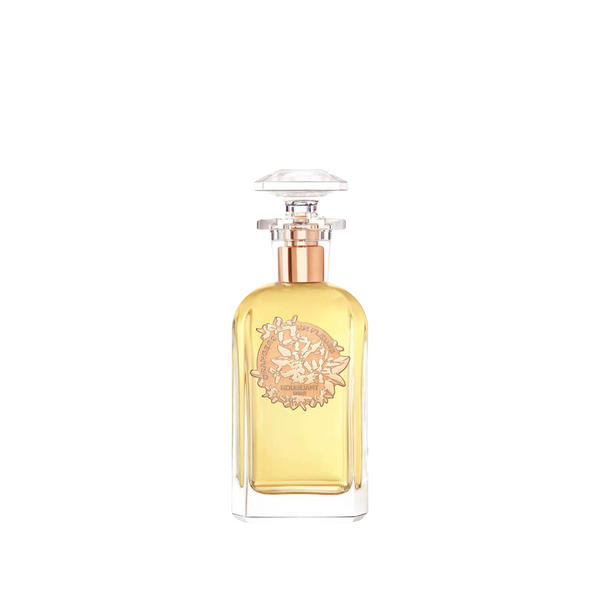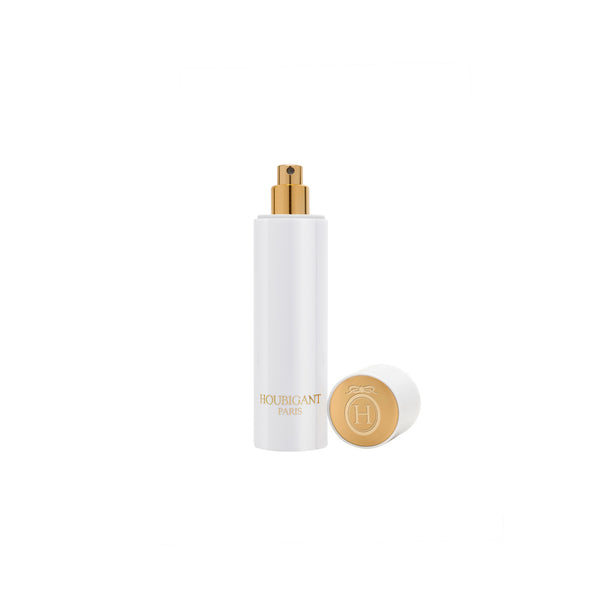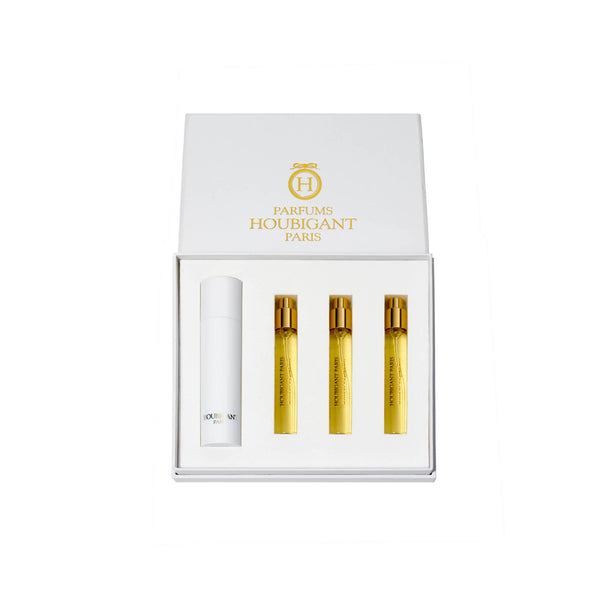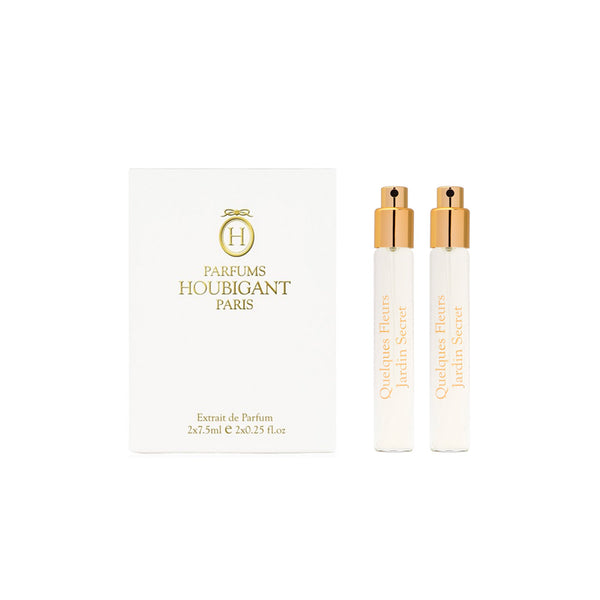


Quelques Fleurs L'Original
EXTRAIT DE PARFUM

Wohin wir versenden
VERSANDDETAILS
1) Für die folgenden Länder*: Italien, Österreich, Belgien, Bulgarien, Tschechien, Finnland, Frankreich, Deutschland, Griechenland, Irland, Luxemburg, Monaco, Niederlande, Schweden, Kroatien, Dänemark, Norwegen, Liechtenstein, Polen, Estland, Lettland, Litauen, Rumänien, Ungarn, Slowakei, Spanien, Serbien.
Kostenloser Versand für Bestellungen über 95€
Standardversand für Bestellungen unter 94,99€
Kein Mindestbestellwert
2) Für das Vereinigte Königreich**
Kostenloser Versand für Bestellungen über 150€
Mindestbestellwert 150€
3) Für die folgenden Länder*: Portugal, Island, Slowenien, Schweiz**, Zypern
Kostenloser Versand für Bestellungen über 290€
Standardversand für Bestellungen von 140€ bis 289,99€
Mindestbestellwert 140€
4) Für das Königreich Saudi-Arabien, Vereinigte Arabische Emirate**
Kostenloser Versand für Bestellungen über 500€
Standardversand für Bestellungen unter 499€
Für die Vereinigten Staaten von Amerika besuchen Sie bitte unsere US-Website
*Für abgelegene Gebiete können zusätzliche Gebühren anfallen
** Zusätzliche Zollgebühren werden bei der Lieferung erhoben
-
Kopfnoten
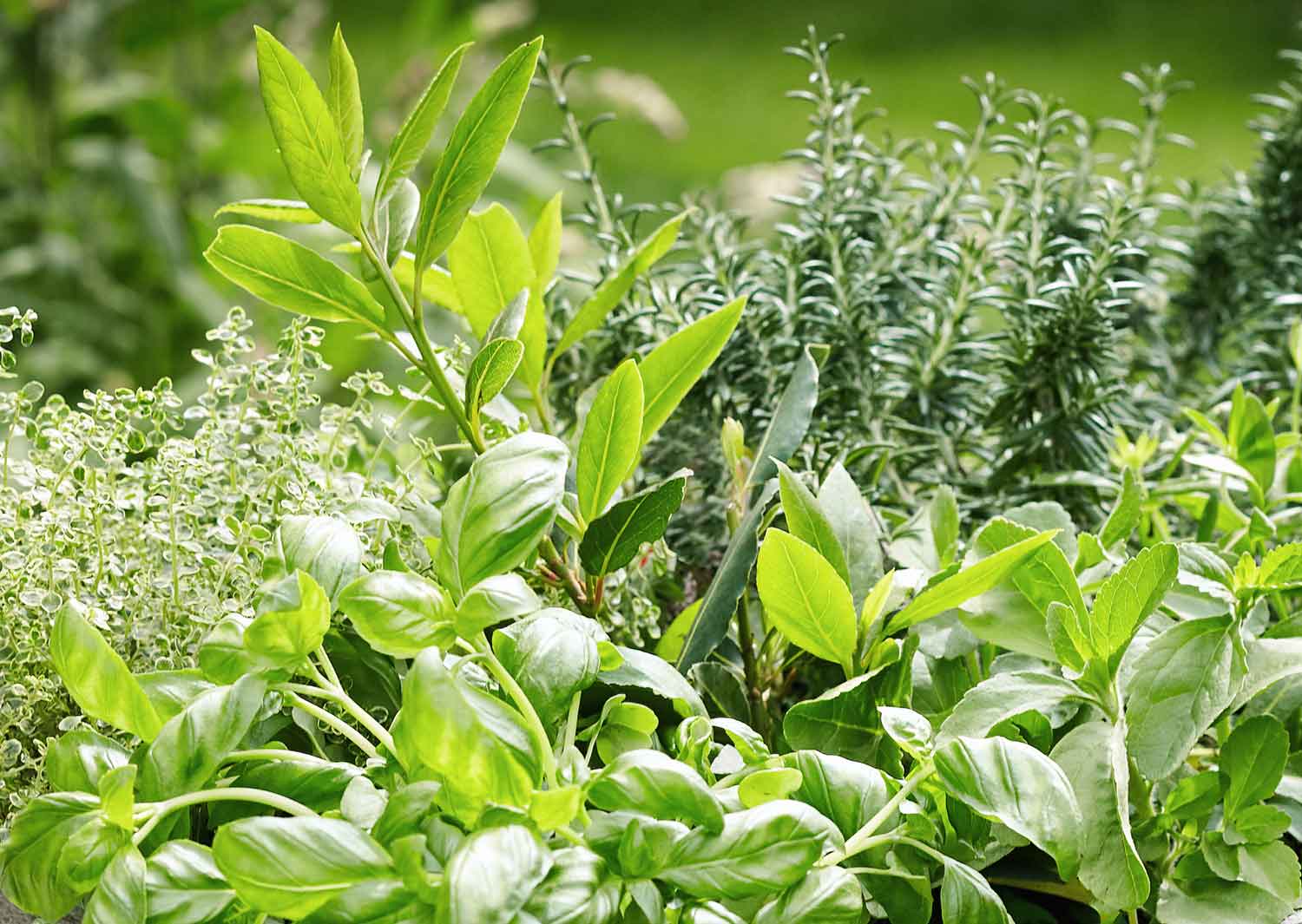
Green
-
Herznoten
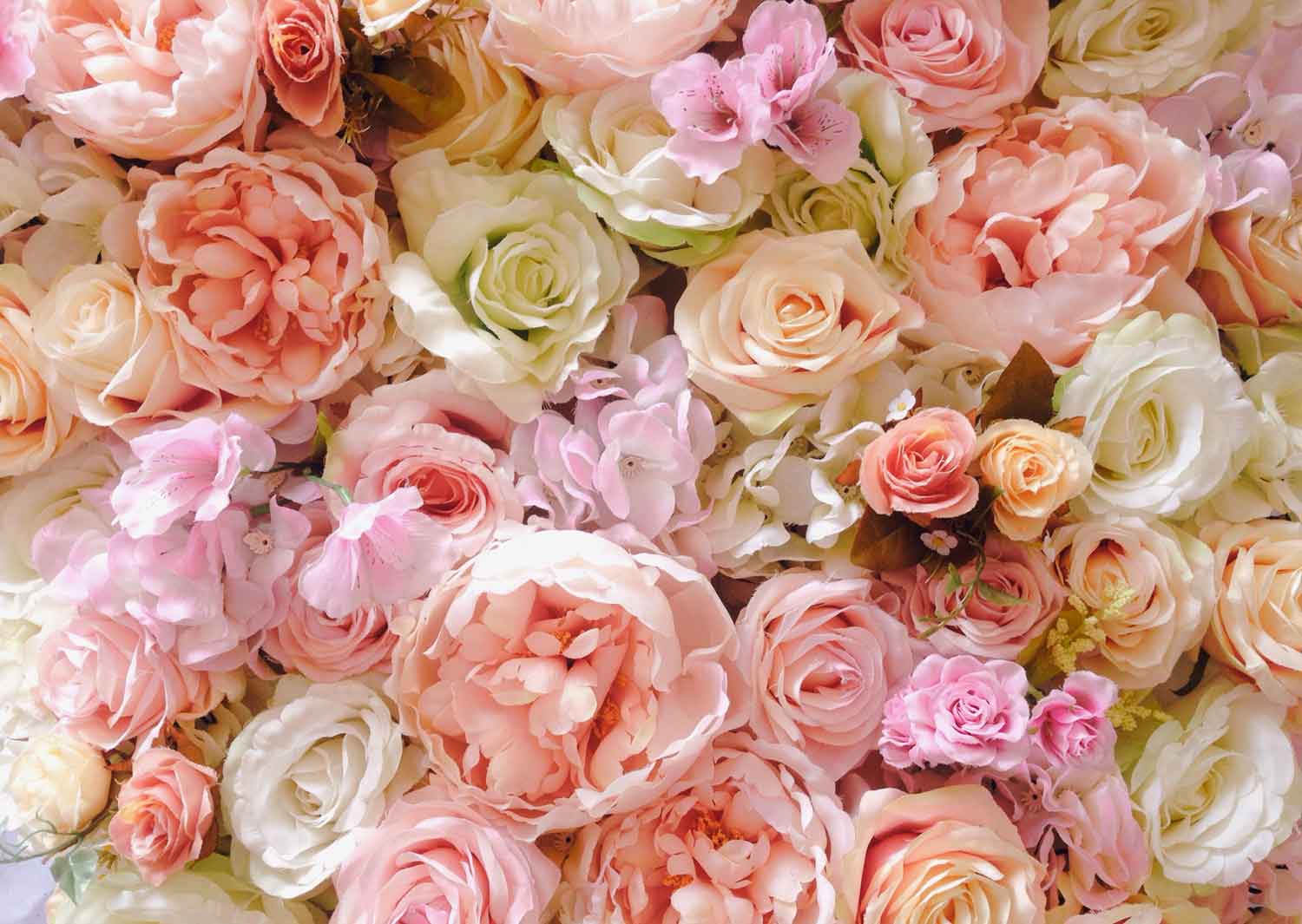
Floral
-
Basisnoten
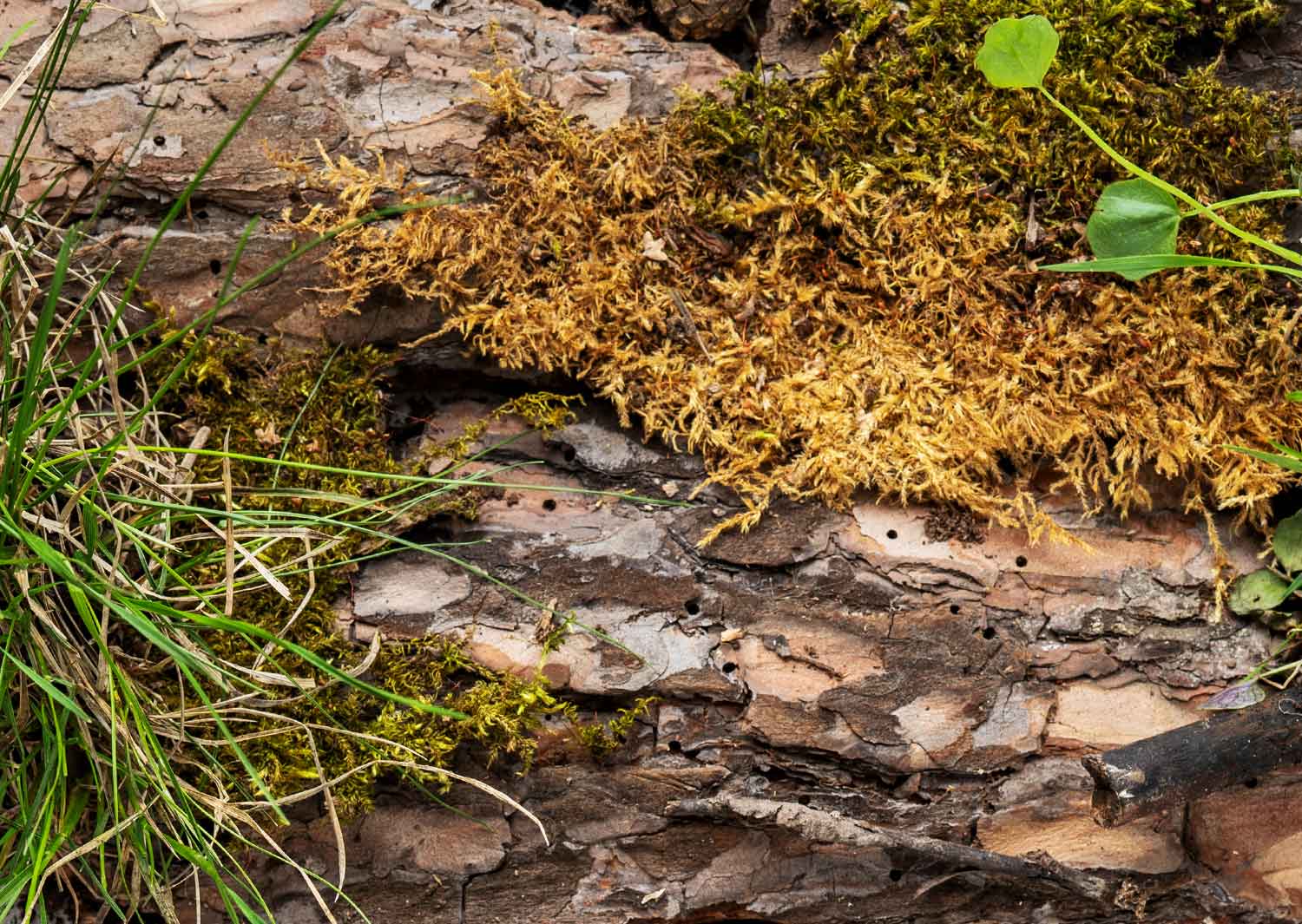
Woody
quelques fleurs l'original
FragranceDer bezaubernde Duft berührt die olfaktorischen Sinne mit weichen und sinnlichen Blumenakkorden, die harmonisch abgestimmt sind. Emotionen werden charmant durch die Herznote aus Jasmin, Tuberose, Maiglöckchen, Veilchen, Rose, Ylang Ylang,...
Der bezaubernde Duft berührt die olfaktorischen Sinne mit weichen und sinnlichen Blumenakkorden, die harmonisch abgestimmt sind. Emotionen werden charmant durch die Herznote aus Jasmin, Tuberose, Maiglöckchen, Veilchen, Rose, Ylang Ylang, Nelke, Ginsterblüte, Orangenblüte und Nelke geweckt. Die lebhafte, verführerische Kopfnote aus Bergamotte, Galbanum, Estragon und Zitrone mündet in einer Basis aus Eichenmoos, Sandelholz, Zibet, Zedernholz, Moschus, Iris und Tonkabohne.
INGREDIENTS: ALCOHOL DENAT (ALCOHOL), PARFUM (FRAGRANCE), BENZYL SALICYLATE, HEXYL CINNAMAL, LIMONENE, HYDROXYCITRONELLAL, AQUA (WATER), ALPHA ISOMETHYL IONONE, BENZYL ALCOHOL, BENZYL BENZOATE, CINNAMAL, CINNAMYL ALCOHOL, CITRAL, CITRONELLOL, COUMARIN, EUGENOL, EVERNIA PRUNASTRI (OAK MOSS) EXTRACT, FARNESOL, GERANIOL, LINALOOL.
Quelques Fleurs: The concept
When in-house French perfumer, Robert Bienaimé, created his multi-floral masterpiece, Quelques Fleurs, in 1912 for the House of Houbigant, he'd set a new precedent in modern perfumery. Prior to his bold invention, floral fragrances had been mainly singular flowers, or florals combined with various nuances of herbs and spices. With its regal, courtly, cultivated bouquets of plush, velvety, enchanting flowers, Bienaimé's supreme, well-tempered composition revolutionized multi-floral perfume mélanges worldwide, and continues to influence modern perfumery métier. Quelques Fleurs L’Original honors the original, 1912 composition created in Grasse, France, still produced at the same laboratories where fragrance house founder Jean-François Houbigant had composed discerning perfumes for his royal, aristocratic clients from 1775.
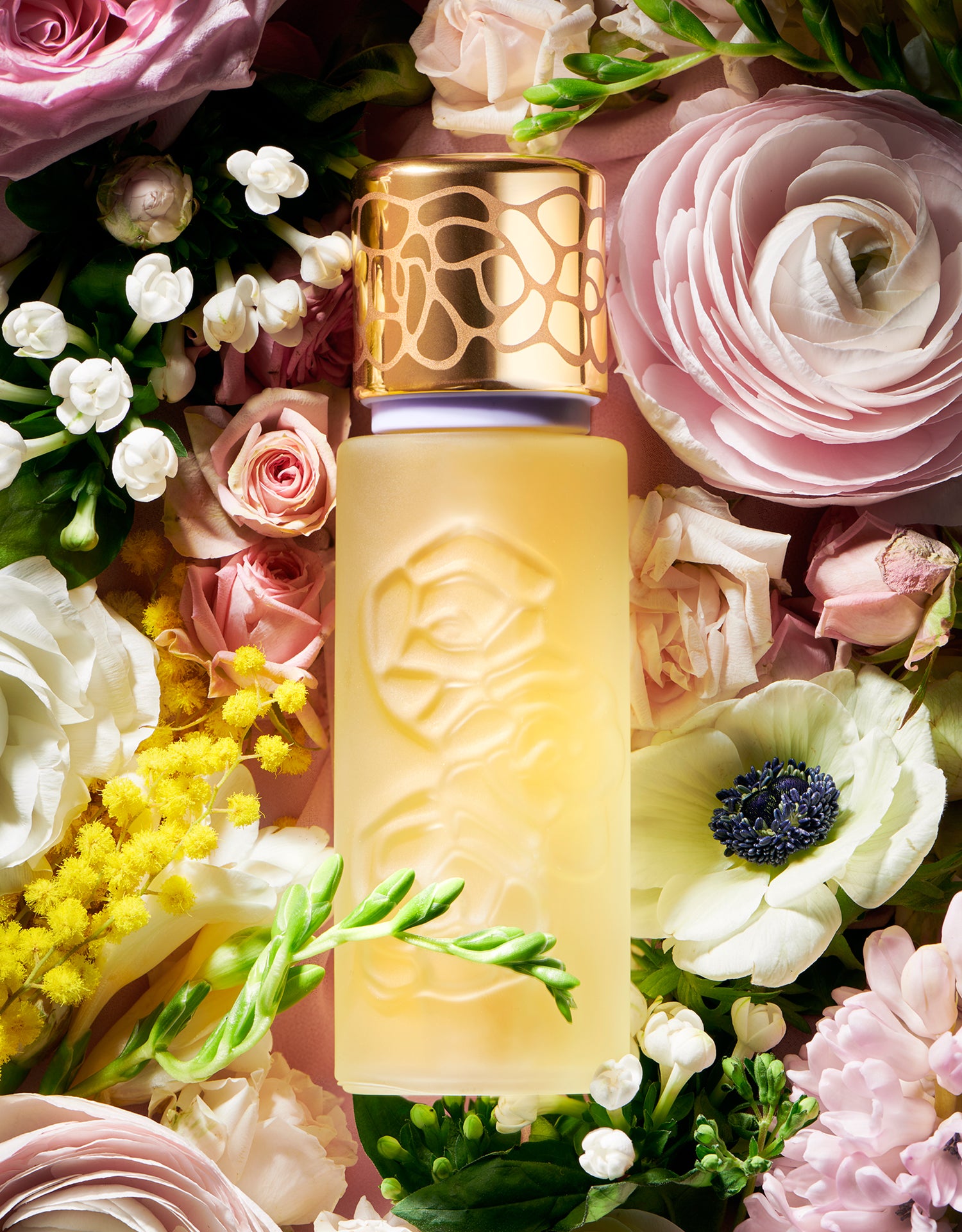
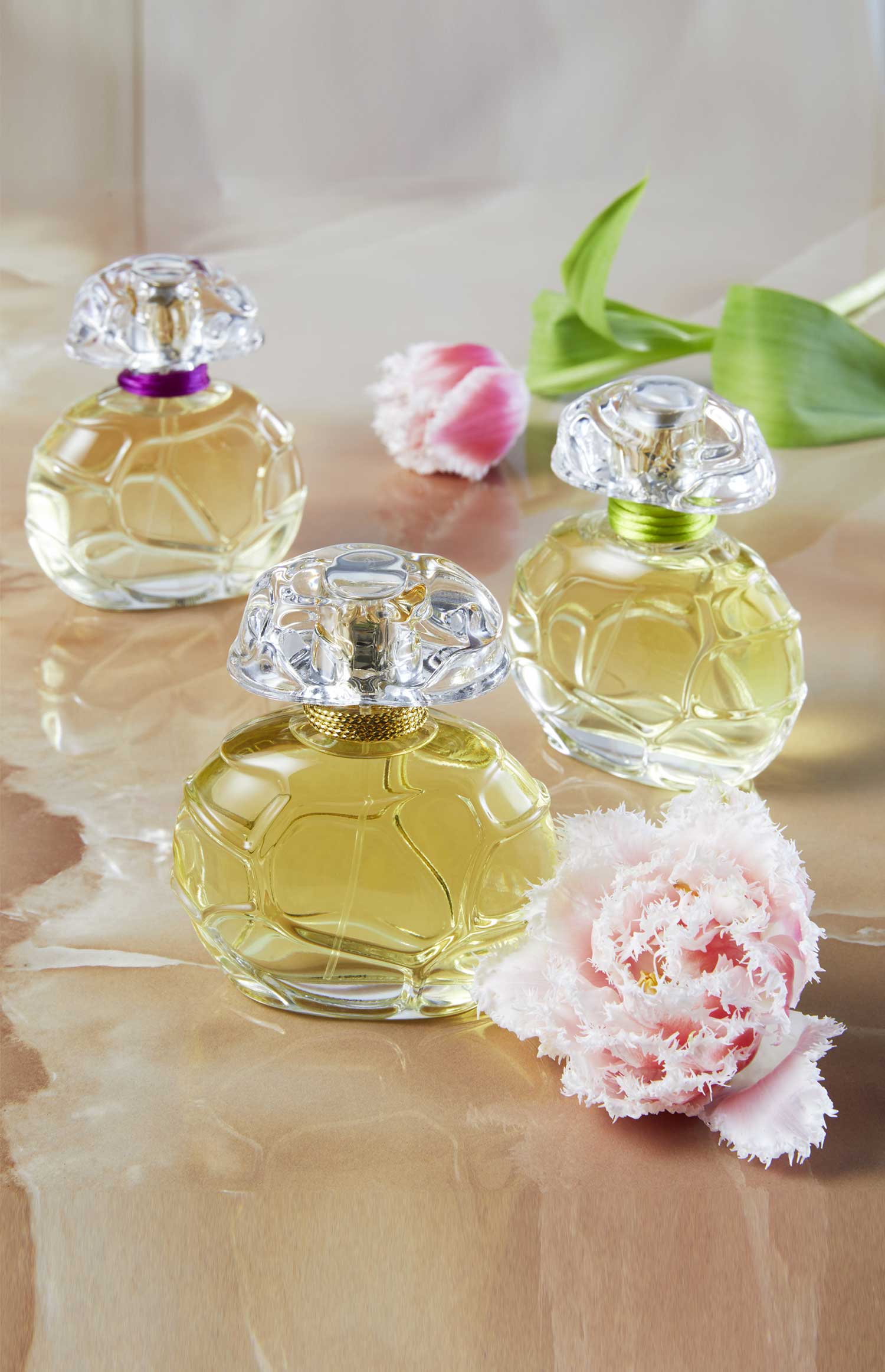
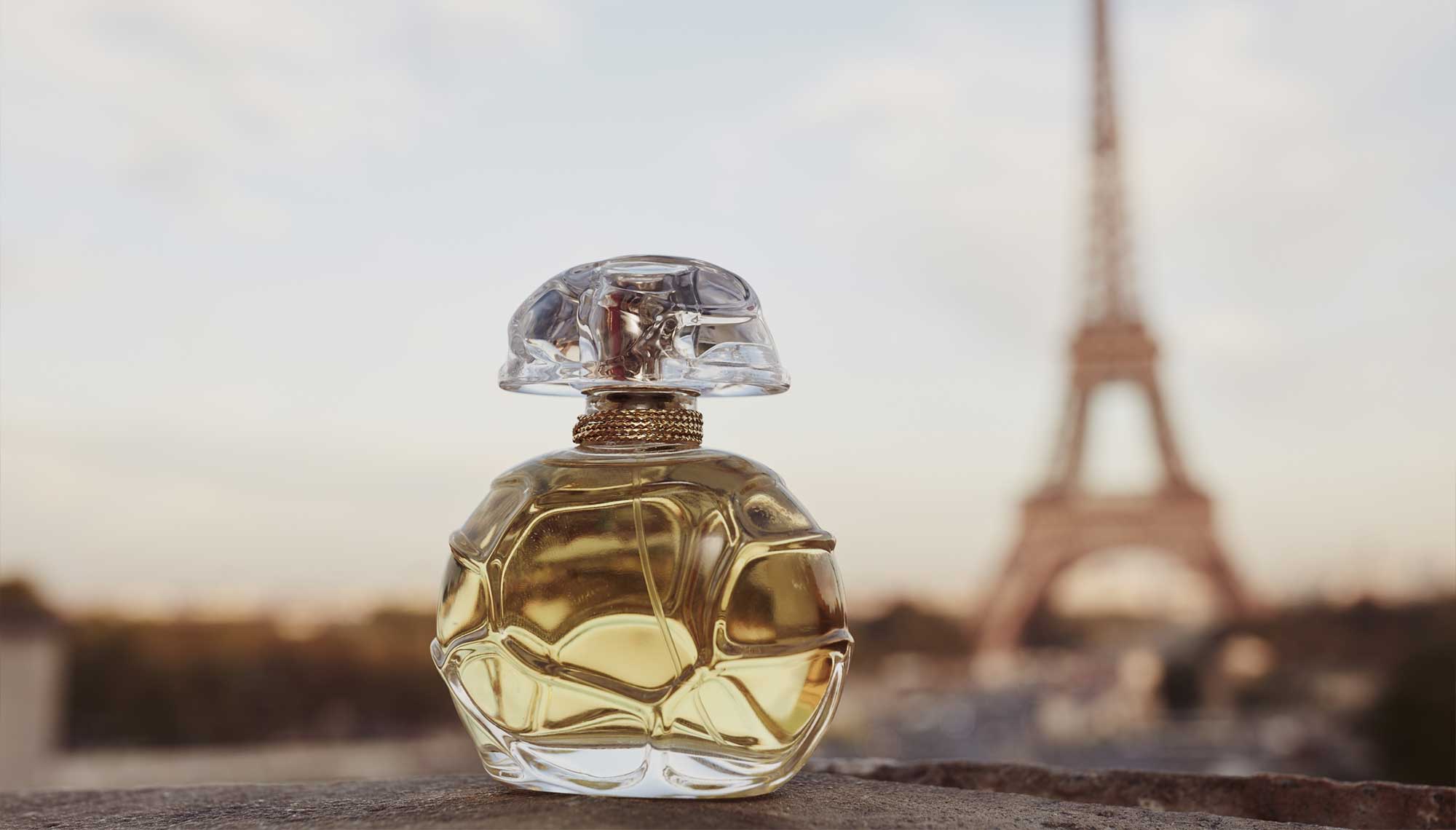
Pure perfume extracts indulge olfactory senses with an in excelsis distillation, each note scored in perfect harmony and cadence. They imitate nothing – they’re absolute purity. In existence since the early nineteenth-century, unfiltered essences were diluted with alcohol to boost aerosol diffusion and to alleviate obstructions in the flacon's puffer. Advances in modern perfumery have made those techniques obsolete – deposits are meticulously-filtrated after maceration. Creating complex, extracted formulas comes at a cost – only a handful of notable perfumers offer extracted essences. This esteemed craftsmanship underpins the House of Houbigant’s two-century-old legacy of innovation, distinction and authority.
Entdecken Sie weitere Produkte aus dem Hause